
Finding My Why Again: What Medical Missions in Honduras Have Taught Me About Medicine
Guest Author: Jeremy K. Selley, DO, FACOEP, FACEP
I almost talked myself out of my first medical mission trip to Honduras. I had plenty of reasons: The timing wasn’t perfect. Taking time away from work and family wasn’t easy. And despite having served in the U.S. Navy and traveled internationally, I was nervous enough that I actually wrote goodbye letters to my wife and children and left them at home before I departed.
Looking back now, that makes me smile. Because what I thought might be a one-time medical mission became something entirely different—a passion, a source of renewal, and one of the most meaningful parts of my career in medicine.
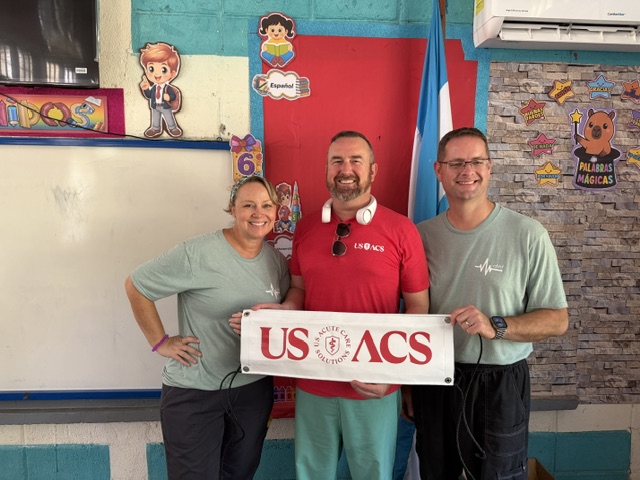
From “Voluntold” to Volunteer
My introduction to international medicine began when my wife and a local nurse decided I would be joining a mission team to Honduras. I sometimes joke that I was “voluntold.” Fortunately, this was one of those times when being voluntold worked out pretty well.
I had always wanted to participate in medical mission work. But like many Physicians, I could always find a reason to wait. I didn’t know anyone going. The timing wasn’t right. I’d have to take too much time off. It cost too much. There was always a reason to say, “Maybe next year.”
Eventually, opportunity met timing, and I took the chance. I couldn’t have known then that my introduction to the Carolina Honduras Health Foundation (CHHF) would become such an important part of my life.
Medicine Looks Different in Honduras
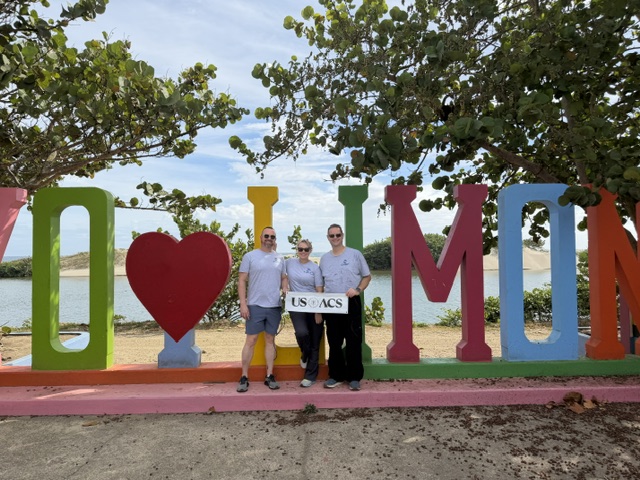
The journey to the clinic in Limón is an experience itself. After arriving in Honduras, it takes nearly a full day of travel to reach the clinic. Remote clinics can mean traveling even farther—sometimes by old school bus over dusty, unpaved roads. Then the work begins.
On my first trip, our team of 13 provided primary care to more than 400 patients over four clinic days. Many of our patients walked miles to see us. Some mothers arrived carrying a baby with two or three other children alongside them. What struck me wasn’t simply the medical need, it was the gratitude. Patients were happy to see us. They were gracious and thankful. They waited patiently for care that many of us in the United States take for granted.
Although you may meet hundreds of patients during a mission trip, many become patients you never forget. For me, one of those patients was a four-year-old boy named Darlin. He had suffered a traumatic brain injury and needed specialty care his family could not afford or navigate on their own. CHHF was able to help coordinate the specialty care he needed. I’ve also watched a young girl who had lost a leg receive a prosthesis and walk again, tears of joy streaming down her face. Those moments stay with you forever.
Remembering Why We Chose Medicine
Emergency medicine is incredibly rewarding, but it can also be exhausting. We work long shifts. We care for an overwhelming number of patients. We navigate social problems, administrative challenges, and an increasingly complex healthcare system. Sometimes the things surrounding medicine can begin to overshadow the reason we chose medicine in the first place.
Honduras strips much of that away. For a week, medicine becomes remarkably simple again: There is a person in front of you who needs help, and you have the ability to help them. That’s it. And somewhere between the long clinic days, the children playing outside, the Honduran coffee, the incredible pineapple, and conversations with teammates at the end of the day, something happens. You begin to remember your why. I originally went to Honduras thinking I was giving something to others. Over the years, I’ve realized just how much the people of Honduras have given back to me.
Grace and Gratitude
Two words have come to define medical missions for me: grace and gratitude. There is gratitude from the patients who may have walked miles in the heat to receive care. There is gratitude among the volunteers who recognize how fortunate we are to have the skills and resources to help. And there is grace in stepping outside our normal lives long enough to see medicine—and the world—from a different perspective.
The experience also creates relationships that extend far beyond the week itself. Teammates become close friends. CHHF staff members become family. And before the plane home lands, someone inevitably starts talking about next year’s trip. I’ve seen it happen time and time again. People arrive wondering what they’ve gotten themselves into, yet they leave asking, “How do I sign up for next year?”
From One Trip to a Tradition
What started with that first nervous trip to Honduras has blossomed into something I never could have anticipated. Today, my wife, Dr. Victoria Selley, and I lead a medical mission team to Honduras each year. For three consecutive years, we have had the privilege of bringing teams with us and watching others experience what we discovered years ago. I’ve realized that one of the greatest rewards for me now isn’t simply caring for the patients, it’s watching our volunteers fall in love with Honduras.
There is something incredibly satisfying about leading someone through their first mission experience and watching the transformation happen. They arrive not knowing exactly what to expect. Then they meet the people. They care for patients who may have traveled miles just for the opportunity to see them. They experience the kindness, generosity, and gratitude of the Honduran people. They form friendships with their teammates and the CHHF staff. And before they know it, the week is coming to a close.
I’ve watched team members shed tears as we leave—not because they are sad to go, but because they realize how deeply the experience has affected them. The questions quickly change from “What did I get myself into?” to “How can I help?” and “How can I be part of this team again next year?” For Victoria and me, seeing that joy and sense of purpose develop in someone else has become one of the most rewarding parts of leading these trips.
 Take a Chance
When I talk with Physicians and other healthcare professionals about joining us, I hear many of the same concerns I once had. I don’t have enough time. It’s too expensive. I don’t know anyone. Is it safe? Maybe next year. I understand every one of those concerns because I had them too. In fact, those same questions have followed me throughout the years as I’ve recruited people to join our teams. But sometimes the opportunities that make the greatest difference in our lives begin by stepping outside what is comfortable.
Medical mission work certainly isn’t the only way to rediscover purpose in medicine. But for me, it has become an important reminder of why I entered this profession in the first place. And now, one of the greatest gifts has been helping other people discover that same feeling.
We are always looking for volunteers—not only for our team, but for the many other teams serving Honduras throughout the year. There is always a need for Physicians, Nurses, and others willing to give their time, talents, and hearts to people who genuinely need them.
So, if someone asks you to join a medical mission team, consider taking the chance. You may spend a week helping people who desperately need medical care, make lifelong friends, fall in love with a country and its people, or make memories that stay with you for the rest of your life. And, somewhere along the way, you may discover that while you went on the trip to make a difference in someone else’s life, the people you met along the way made an even greater difference in yours.